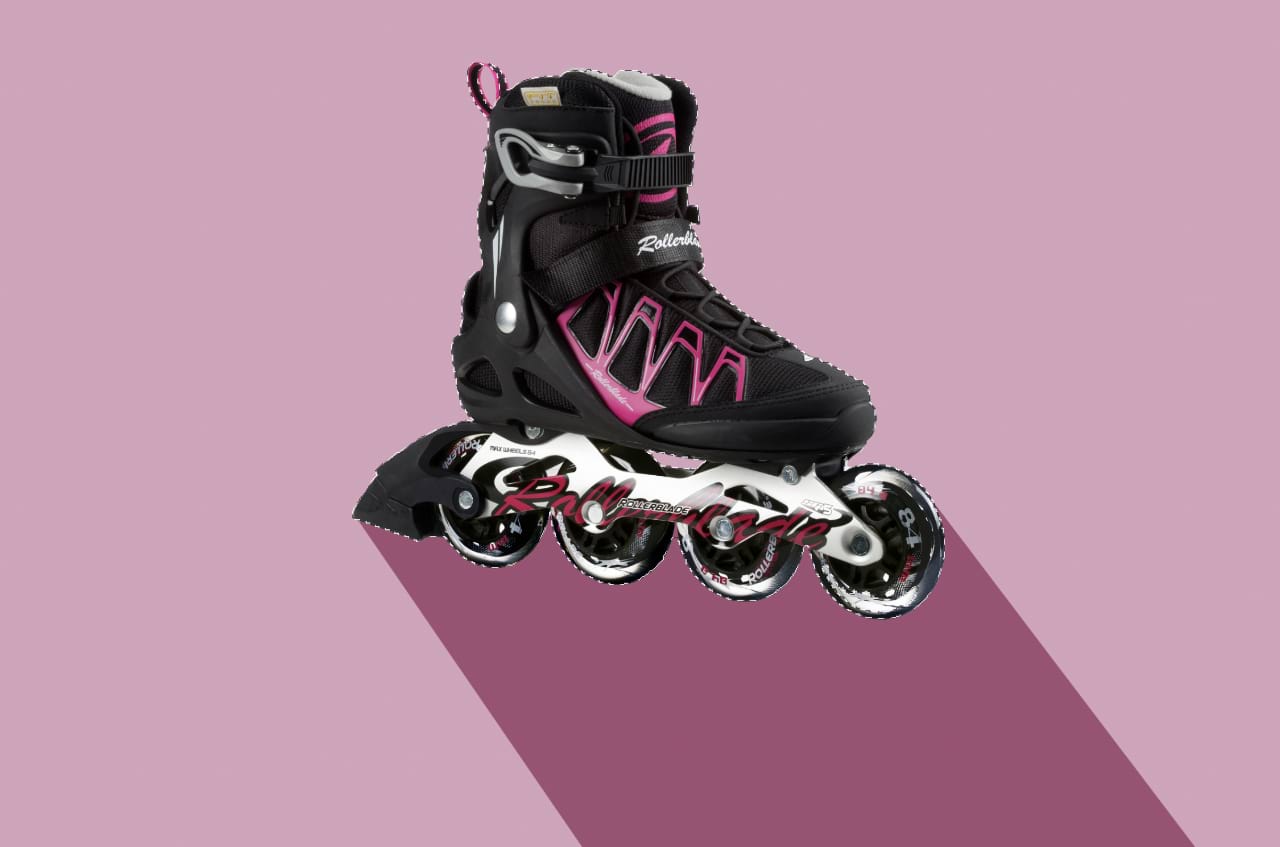
About pixel selections
A pixel selection is simply a drawn area on your image (bounded by a flashing dashed line, often called 'marching ants'). A selection is created for various reasons:
- To limit editing (e.g., painting, applying fills, etc.) to within that selection area only.
- To selectively copy pixels.
- As a precursor to creating a mask layer.
- To draw areas for removal (cutout).
Selection boundaries are defined depending on whether individual pixels are included or excluded.
Once your selection has been created, you can invert it so all included pixels are excluded and vice versa.
Pixel selections and RAW layers
In Affinity, you can perform pixel selection on RAW layers, which opens up a number of options for various flexible workflows.
Note the following behaviours when working with RAW layers, with a pixel selection active and an image layer selected in the panel:
- Deleting the selection will mask the layer rather than delete it entirely from the layer stack. This aids local editing workflows, especially when targetting inverted selection areas.
- Duplicating action will create a new pixel layer with just the selected pixel data.
Additionally, the following two options are available via a -click a layer in the panel:
Additionally, the following two options are available via a -click a layer in the panel:
- Merge Down—merges a layer with a pixel layer below.
- Merge Visible—merges all visible layers in the panel into a new pixel layer.
Selection tools
You can create a pixel selection using the Object Selection Tool, Selection Brush Tool or Marquee Selection Tools or base it on a layer. Using the Flood Select Tool, you can also define a selection of similar colour value pixels with a single click. Selections created using the Marquee tools align to individual pixels.
Once your selection has been created, you can invert it so all included pixels are excluded and vice versa.
There are several tools you can use to create pixel selections:
 Object Selection Tool (see Object Selection Tool)
 Selection Brush Tool (see Painting pixel selections)
 Flood Select Tool (see Flooding pixel selections)
 Rectangular Marquee Tool (see Marquee pixel selections)
 Elliptical Marquee Tool
 Column Marquee Tool
 Row Marquee Tool
 Freehand Selection (see Drawing pixel selections)
Selection procedures
Alongside the many selection tools available, there are also a variety of procedures you can follow to create a pixel selection from:
- The most prominent subject of a layer (see Select Subject)
- The contents of a layer (see Pixel selections from layers)
- The luminosity of a layer (see Pixel selections from layers)
- Layer and composite channels (see Pixel selections from channels)
- Curves and shapes (see Pixel selections from shapes)
- Tonal or colour ranges (see Range pixel selections)
- Sampled colours (see Sampled colour pixel selections)
- Quick Masks (see Edit selection as layer using Quick Mask)
- Previously created selections (see Creating outline selections)
Selection modes
When working with, and creating, selections, you may have access to the following Modes which affect how your selection develops:
 New—cancels all current selections and creates a new selection.
 Add—adds areas to the current selection. If there is no selection in place, a new selection will be created.
 Subtract—removes areas from the current selection.
 Intersect—a new selection area is created from the overlap between the newly added selection area and the current selection.
 To select an object:
- From the Tools panel, select the Object Selection Tool
.
- Adjust the settings on the context toolbar.
- Hover over the object you wish to select.
To select the most prominent subject:
- From the top menu, choose Select>Select Subject.
To paint a pixel selection:
- From the Tools panel, select the Selection Brush Tool.
- Adjust the settings on the context toolbar.
- Drag on your page.
 To select every pixel in the image:
 To invert a pixel selection:
 To remove a pixel selection: